
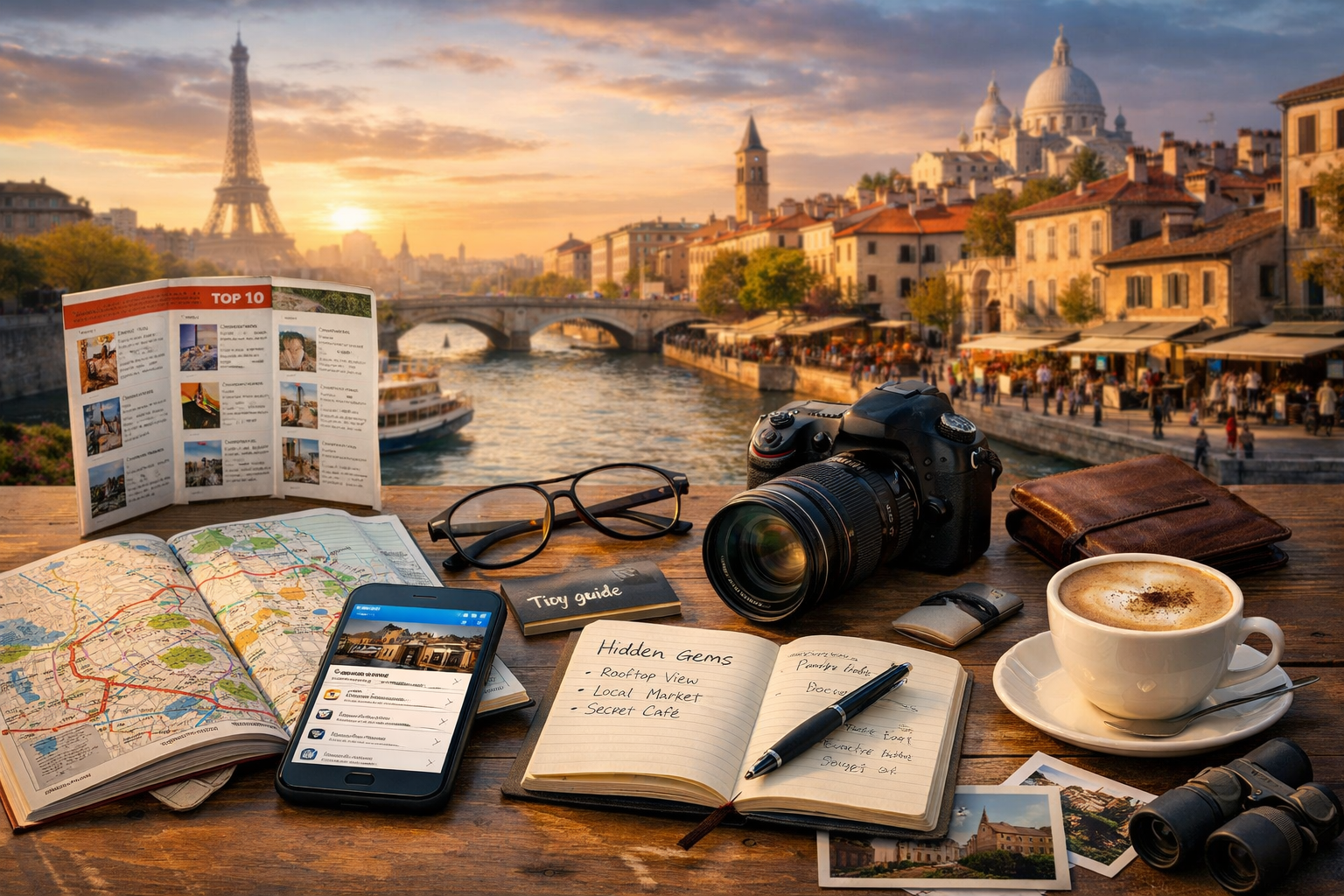
Why City Guides Still Matter in the Age of Instant Search
It’s tempting to build an itinerary by typing “best things to do” into a search bar and saving whatever looks popular. But city guides—whether printed, editorial online, or curated by locals—offer something search results often don’t: a point of view. A well-made guide connects the dots between neighborhoods, transit, timing, crowd levels, and the small practical details that turn a stressful day into a smooth one.
Great city travel isn’t just about ticking off landmarks. It’s about knowing where to start your morning, how to move efficiently, which streets feel lively after dark, and where to pause for a meal that fits your budget and preferences. A solid city guide helps you do all of that while leaving room for spontaneity.
Choosing the Right Type of City Guide
Not all guides are built for the same traveler. Picking the right format and voice is the first step to getting useful recommendations rather than generic “top 10” lists.
- Editorial guides: Usually written by experienced travel writers; strong for context, neighborhood overviews, and narrative-style recommendations.
- Local-curated guides: Often found on city tourism sites, community blogs, or neighborhood publications; excellent for seasonal events and under-the-radar spots.
- Map-first guides: Focus on geography and routing; ideal for short trips when time and transit efficiency matter most.
- Interest-based guides: Built around themes like food, architecture, vintage shopping, art, parks, or coffee; perfect when you want a cohesive trip style.
A quick quality check: look for guides that mention how to do something (best times to visit, ticketing tips, reservations, neighborhood safety notes, and transit suggestions), not just what to do.
How to Read a City Guide Like a Planner
Instead of copying an itinerary verbatim, use guides as building blocks. The goal is to create a flexible plan that matches your travel pace and energy levels.
Start With Neighborhood Anchors
Every city has areas that function as natural “bases” for a day: a central market district, a museum cluster, a riverside promenade, or a dense neighborhood packed with cafés and shops. Pick one anchor per day and build outward. This reduces backtracking and keeps you immersed in a single part of the city long enough to notice its personality.
Layer Your Day: One Must-Do, Two Nice-to-Haves, One Wild Card
City days fill up fast. A simple structure helps you avoid decision fatigue:
- One must-do: A landmark, a museum, a walking tour, or a specific experience you’ll regret missing.
- Two nice-to-haves: Smaller stops nearby—bookshops, galleries, viewpoints, markets, or parks.
- One wild card: Something flexible you can swap based on weather, crowds, or your mood.
This approach keeps your plan realistic while leaving room for discoveries like a street festival, a pop-up exhibit, or a recommendation from a bartender.
Building a City Guide That Fits Your Travel Style
The best city guide is the one you customize. Before your trip, decide what matters most so you can filter recommendations quickly.
Match the Guide to Your Pace
- Slow travelers: Prioritize neighborhood walks, parks, scenic cafés, and a shorter list of “big” attractions.
- Maximizers: Use timed entry tickets, early starts, and map-based clusters; plan meals strategically near major sights.
- Social travelers: Look for guides with nightlife zones, live music listings, and late-night food options.
- Family travelers: Choose guides that highlight playgrounds, interactive museums, and transit tips for strollers.
Make Food Planning Part of the Route
Many travelers lose time by treating meals as an afterthought. Instead, use city guides to place food stops along your route. Identify:
- One “signature” meal: A local specialty, classic restaurant, or notable street food area.
- One reliable backup: A casual place with broad hours and minimal wait—crucial for late arrivals.
- One treat stop: A bakery, gelato spot, or coffee bar worth a detour.
If reservations are common in the city, your guide should mention it. When in doubt, book one dinner early in the trip and keep the rest flexible.
Practical Details Great City Guides Include (and You Should Too)
High-quality city guides don’t just inspire—they reduce friction. When reading or building your own plan, look for these specifics:
- Transit reality: Which lines are easiest, whether a day pass is worth it, and how late service runs.
- Ticketing strategy: Timed entries, free museum days, and which attractions sell out first.
- Opening hours patterns: Common closing days, siesta-style breaks, and late-night dining norms.
- Weather pivots: A rainy-day list (museums, markets, arcades) and a sunny-day list (parks, viewpoints, waterfronts).
- Neighborhood notes: Where it’s best to stay, where to walk at night, and which districts are most charming after dark.
These details are often the difference between “I saw a lot” and “I actually enjoyed it.”
Using City Guides On the Ground
Once you arrive, your guide becomes a decision tool. The key is to keep it accessible and adaptable.
Save a Shortlist, Not a Spreadsheet
Overloaded lists create pressure. Keep a shortlist for each neighborhood: a few food options, one coffee spot, one park, and one indoor activity. If a line is too long or you feel tired, you already have a nearby alternative.
Follow the “Two-Block Rule” for Serendipity
When you’re headed somewhere from the guide, allow yourself a two-block detour if something catches your eye—an inviting side street, a small gallery, or a busy terrace. City guides are at their best when they give you confidence to wander without getting lost in indecision.
A Simple Template for Any City, Any Length of Trip
If you want a universal way to turn city guide recommendations into a working plan, use this structure:
- Day 1 (Orientation): A central walk, a viewpoint, and an easy dinner near your accommodation.
- Day 2 (Core Highlights): Your top landmark or museum early, a long lunch, and a neighborhood evening.
- Day 3 (Local Flavor): Market morning, a specialty area (design district, old town, waterfront), and a signature meal.
- Extra time: Day trip options, parks, or a second museum—based on energy and weather.
This framework works for weekend breaks and scales easily for longer stays by adding neighborhood days.
Conclusion: Let City Guides Give You Confidence, Not Constraints
The best city trips balance structure and freedom. City guides provide the structure: neighborhood context, smart routing, and reliable picks. Your curiosity provides the freedom: detours, conversations, and the unexpected moments that become the real highlights. Use guides as a compass rather than a script, and every city—famous or unfamiliar—will feel easier to navigate and more meaningful to experience.